

How Physical Therapy Can Fight the Opioid Crisis
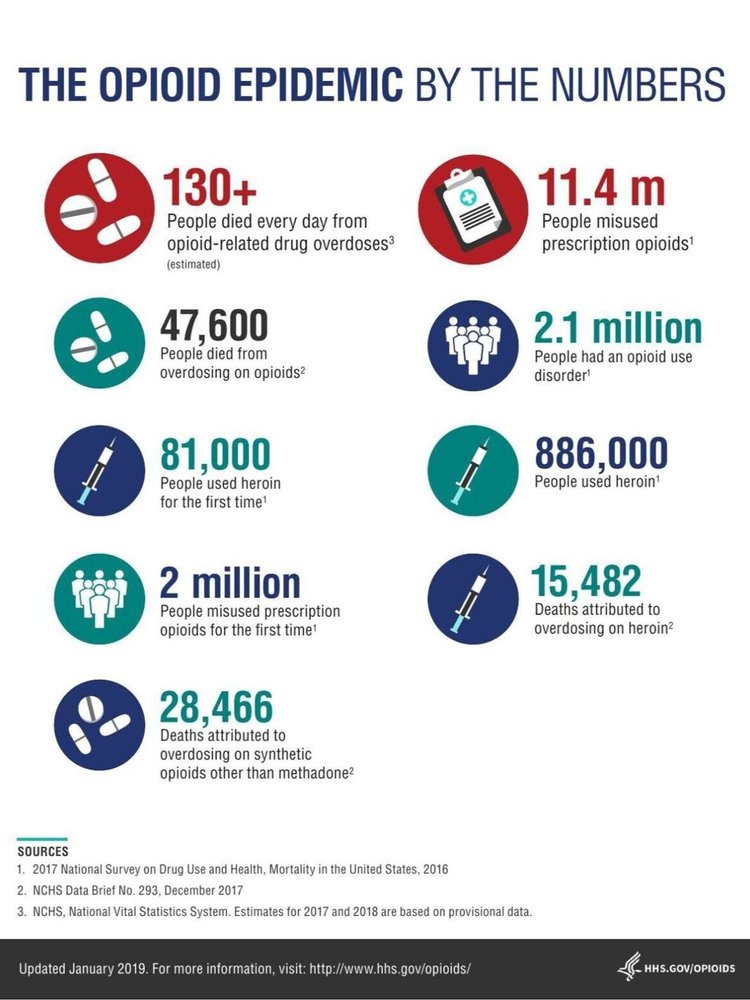
What is the opioid crisis epidemic?
In the 1990’s pain killers were prescribed to patients as an incentive from the major pharmaceutical companies who claimed they were not addictive.1 Doctors were being offered “kickbacks” to prescribe these addictive medications to their patients regardless of the side effects, risks of dependency, and potential consequences. While, prescription medication may be an appropriate source of treatment for pain management- one should talk to their doctor or pharmacist about risks, term of usage, and side effects. Medication should be taken as prescribed.
How can pain be managed without opioids?
Along with providing resources and increasing social awareness- they are many other ways to manage pain through conservative treatments. Such as: use of non-opioid medication like acetaminophen, support groups, physical therapy, massage therapy, psychiatry, exercise, acupuncture, or interventional therapies.
So, why physical therapy?
According to the APTA4 ” Physical therapists, who engage in an examination process that focuses on not only the symptoms of pain but also the movement patterns that may be contributing to pain, must become central to this multidisciplinary strategy” As physical therapist we are able to treat the source of pain through movement, manual therapy, patient education on pain neuroscience, stress management, assess activities of daily living (sleeping, driving, lifting, brushing hair, and more), and teach ways to independently manage symptoms.
How do opioids work?
According to the National Safety Council opioids are absorbed through the GI tract and attach to opiate receptors in the brain.3 When it binds to the receptors, a large amount of dopamine is released giving the body and brain that “euphoric” feeling, yet it “reduces pain without eliminating its cause”. Which is temporary like a band-aid.
What are the possible side effects/consequences of taking opioids?
- Dizziness
- Confusion
- Constipation
- Nausea
- Severe Fatigue
- Decreased heart rate
- Cause of secondary health problems
- Hypoxia
- Legal and Law Issues
- Social isolation
- Dependency
- Overdose
- Death
Final Note
If you or someone you know is struggling with dependency of opioid drugs: listed below are some references to reach out and get help.
SAMHSA’s National Helpline call: 1-800-662-HELP or visit: SAMHSA’s
Written By: Heidi Masters on behalf and in memory of my father.
References:
- Assistant Secretary of Public Affairs (ASPA). What is the U.S. Opioid Epidemic? HHS.gov. https://www.hhs.gov/opioids/about-the-epidemic/index.html.
- Opioid painkillers: How they work and why they can be risky. http://www.ndsc.org/wp-content/uploads/EC_Opioid-Painkillers-How-They-Work-and-Why-They-Can-be-Risky.pdf. Published October 2014.
- Hayhurst C. Moving Away From Opioid Reliance. APTA. https://www.apta.org/apta-magazine/2018/10/01/moving-away-from-opioid-reliance. Published October 1, 2018.