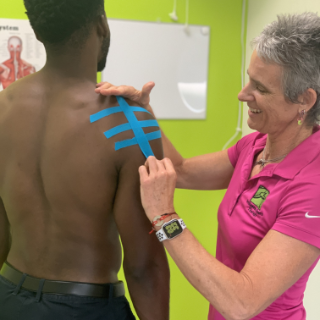

When it comes to treating pain and restoring mobility, many patients wonder about the distinction between manual therapy vs. chiropractic care. While both approaches involve hands-on techniques and help improve how your body moves and feels, they are not the same. Understanding their differences can help you decide which option is best for your needs.
Below, we’ll explore manual therapy vs. chiropractic care in detail: what sets these two methods apart, how they’re used, and how the team at Orthopedic Sports Therapy uses manual therapy to support recovery and long-term wellness.
Manual Therapy: A Hands-On Approach Used by PTs
Manual therapy is a specialized treatment used by physical therapists to relieve pain, improve movement, and promote function. It involves using the hands to apply pressure on muscles and joints to decrease stiffness and improve mobility.
Examples of Manual Therapy Techniques
Joint Mobilization
- Gentle movements to increase range of motion
Soft Tissue Massage
- Pressure applied to muscles to reduce tension
Manual Stretching
- Lengthens tight muscles or improves mobility
Myofascial Release
- Slow, careful pressure to relieve connective tissue restrictions
Manual Therapy and Physical Therapy
Manual therapy is often used as part of a larger physical therapy plan. It helps with conditions like:
- Back and neck pain
- Muscle strains and joint stiffness
- Post-surgical recovery
- Sports injuries
- Chronic pain conditions
Chiropractic Care: A Focus on Spinal Alignment and Nervous System Health
Chiropractic care is a healthcare discipline that emphasizes diagnosing and treating mechanical disorders of the musculoskeletal system, particularly the spine. Chiropractors primarily use spinal manipulation (called adjustments) to restore joint mobility and support nervous system function.
Examples of Chiropractic Techniques
Spinal Adjustments
- Quick, controlled thrusts to improve spinal alignment
Therapeutic Exercises
- To help maintain postural alignment and core strength
Lifestyle Advice
- Including posture correction and ergonomic recommendations
Why Do People Utilize Chiropractic Care?
Chiropractic care is often sought out for:
- Low back pain
- Neck pain
- Headaches
- Sciatica
- Joint dysfunction
Manual Therapy vs. Chiropractic Care: Key Similarities and Differences
Although they both use hands-on techniques, manual therapy, and chiropractic care differ in their training, goals, and treatment methods.
Similarities
- Hands-on techniques are central to both
- Both aim to reduce pain and improve mobility
- Can be used for musculoskeletal issues
Differences
Manual Therapy
- Focuses on muscle, joint, and soft tissue function
- Utilizing slow, gentle mobilizations and soft tissue work
- One piece of a comprehensive rehabilitation program
Chiropractic Care
- Focuses on spinal alignment and the nervous system
- Utilizes quick thrust adjustments
- Often a stand-alone treatment
How Orthopedic Sports Therapy Uses Manual Therapy in Physical Therapy
At our Tempe, AZ, Ahwatukee, AZ, and Biltmore, AZ clinic, we use manual therapy alongside other therapeutic techniques such as guided exercises, neuromuscular re-education, and strength training. It helps reduce pain, increase joint range of motion, and improve how your body moves.
Benefits of Including Manual Therapy In Your PT Program
Personalized care tailored to your diagnosis and movement goals
- Pain relief without relying on medication
- Support for enhanced recovery after injury or surgery
- Improved mobility and movement control
- A safer, evidence-based approach supported by physical therapy research
Your treatment plan may include joint mobilization, soft tissue work, and other manual techniques to get you back to the activities you enjoy, whether that’s hiking a nature trail, returning to sports, or simply moving more comfortably throughout your day.
Ready to Feel and Move Better?
Whether you’re recovering from an injury or dealing with ongoing joint or muscle pain, the team at Orthopedic Sports Therapy can help. Our licensed physical therapists use manual therapy techniques backed by clinical research to deliver effective, personalized care. We’ll create a plan that fits your needs and goals while ensuring you understand every step of the process. Schedule an appointment today to get started!